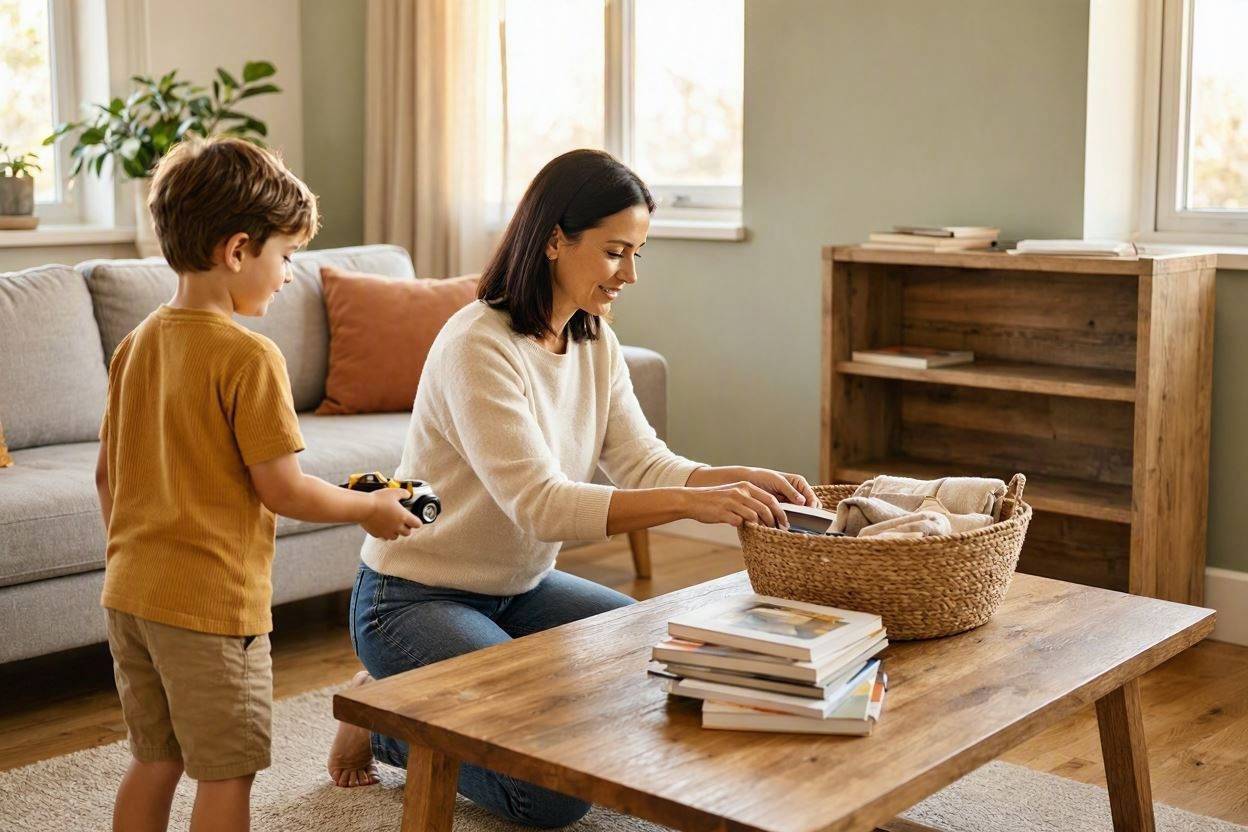
A cluttered home can make even simple tasks feel more difficult.
When there are too many things competing for your attention, finding what you need becomes harder, cleaning takes longer, and rooms can feel smaller than they really are.
The good news is that decluttering doesn’t require you to completely change your lifestyle or spend an entire weekend cleaning.
A simple system can help you work through your home one area at a time.
Here’s how to declutter your home without making the process overwhelming.
1. Start With One Small Area
One of the biggest mistakes people make when decluttering is trying to clean the entire house at once.
Instead, choose one small area.
For example:
- One drawer
- One shelf
- One bathroom cabinet
- One closet section
- One kitchen counter
Finishing a small area gives you a visible result and makes it easier to continue.
You don’t need to finish the entire room before moving to the next area.
2. Set a Short Time Limit
You don’t need several hours to make progress.
Start with 15–30 minutes.
Set a timer and focus only on the area you’ve chosen.
When the timer ends, you can stop or continue if you still have energy.
Short sessions are often easier to maintain than waiting for the perfect day when you have several free hours.
3. Take Everything Out
For small areas such as drawers, shelves, and cabinets, remove the items before deciding what to keep.
This lets you see exactly what you have.
It also makes it easier to notice:
- Duplicate items
- Things you forgot you owned
- Broken items
- Expired products
- Things you never use
Once everything is visible, decisions become much easier.
4. Use Four Simple Categories
As you go through your belongings, place each item into one of four groups:
Keep
Items you regularly use or genuinely need.
Donate
Items that are still useful but no longer serve a purpose for you.
Sell
Items that have enough value to make selling them worthwhile.
Discard
Broken, damaged, expired, or unusable items.
Keeping the categories simple prevents you from spending too much time thinking about every individual item.
5. Ask Yourself the Right Questions
When you’re unsure whether to keep something, ask:
Do I use this?
If you haven’t used it in a long time, consider why.
Then ask:
Would I buy this again today?
This can be particularly useful for clothing, kitchen equipment, decorations, and gadgets.
Another useful question is:
Does this item have a specific purpose in my life right now?
If you can’t identify a practical reason to keep something, it may be time to let it go.
6. Don’t Create a “Maybe” Pile
A large “maybe” pile can make decluttering take forever.
If you’re unsure about an item, try setting a specific rule.
For example:
Put it in a box with today’s date written on it.
If you don’t use the item during the next few months, reconsider whether you really need it.
The exact time period isn’t important.
The goal is to create a decision instead of allowing the item to return automatically to the same place.
7. Start With Easy Wins
You don’t have to begin with emotionally difficult possessions.
Start with things that are easy to decide about.
Good starting points include:
- Expired food
- Old receipts
- Broken chargers
- Empty containers
- Outdated paperwork
- Clothes you never wear
- Duplicate kitchen items
Once you build momentum, more difficult areas become easier.
8. Declutter One Room at a Time
Once you’ve practiced on smaller areas, move through your home systematically.
A simple order might be:
- Kitchen
- Bathroom
- Bedroom
- Living room
- Home office
- Storage areas
- Garage or other large storage spaces
You don’t have to follow this exact order.
Start with whichever area bothers you the most or is easiest to complete.
How to Declutter Your Kitchen
The kitchen is often one of the easiest places to accumulate unnecessary items.
Look for:
- Duplicate utensils
- Unused appliances
- Expired food
- Containers without matching lids
- Old mugs
- Damaged cookware
- Gadgets you rarely use
Keep the things that make cooking and daily life easier.
If an item takes up valuable space but is almost never used, consider whether it deserves that space.
How to Declutter Your Closet
Clothing can be particularly difficult because people often keep things for sentimental reasons or because they might wear them someday.
Start by separating clothes into:
- Wear regularly
- Occasionally wear
- Don’t wear
- Damaged
- Doesn’t fit
Focus first on clothing you already know you don’t wear.
You don’t need to make every decision in one session.
How to Declutter Your Bathroom
Bathrooms can accumulate products surprisingly quickly.
Check:
- Expired products
- Nearly empty containers
- Duplicate products
- Products you tried and didn’t like
- Old towels
- Unused accessories
Dispose of products appropriately according to their labels and local disposal guidance.
Then group the products you actually use.
How to Declutter Your Digital Life
Decluttering doesn’t have to be physical.
Your digital environment can become cluttered too.
Spend a few minutes reviewing:
- Phone apps
- Downloads
- Screenshots
- Old files
- Email subscriptions
- Duplicate photos
- Browser bookmarks
Delete what you no longer need.
Unsubscribe from emails that you never read.
A cleaner digital environment can make everyday tasks easier as well.
9. Give Everything You Keep a Home
Decluttering isn’t only about getting rid of things.
It’s also about making the things you keep easier to manage.
Try to give frequently used items a specific location.
For example:
- Keys → one designated place
- Important documents → one folder
- Chargers → one drawer
- Cleaning supplies → one cabinet
- Everyday shoes → one area
When everything has a home, putting things away becomes much easier.
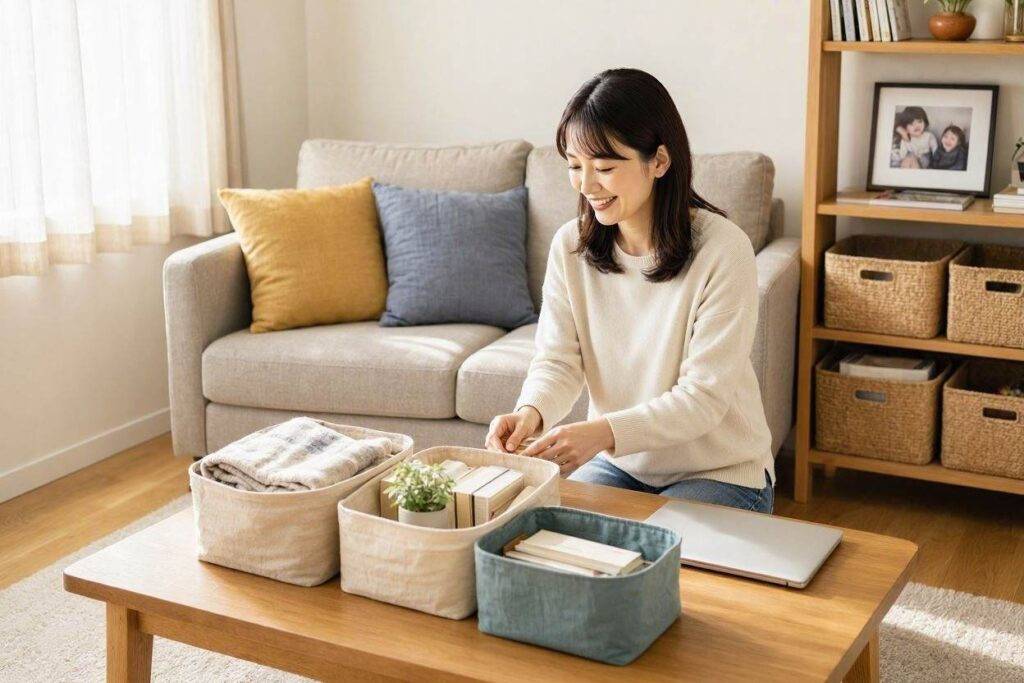
10. Don’t Buy Storage Before Decluttering
Buying storage containers can feel like the solution to a messy space.
But if you buy containers before deciding what you actually need to keep, you may simply end up organizing clutter.
Declutter first.
Then determine what storage you actually need.
This can save money and prevent unnecessary storage from taking up even more space.
11. Create a Donation Box
Keep a designated box or bag somewhere convenient.
Whenever you find something you no longer need but someone else could use, put it there.
When the box is full, take the items to an appropriate donation location.
This turns decluttering into an ongoing habit instead of a once-a-year project.
12. Use the One-In, One-Out Rule
For certain categories, consider using a simple rule:
When something new comes in, something old goes out.
For example:
Buy one new shirt → consider removing one shirt you no longer wear.
Buy a new kitchen gadget → reconsider whether an older gadget still deserves space.
This isn’t necessary for every purchase, but it can help prevent clutter from slowly returning.

A Simple 7-Day Decluttering Plan
If you want a structured approach, try this:
Day 1
Declutter one drawer or small surface.
Day 2
Work on your bathroom.
Day 3
Declutter part of your closet.
Day 4
Organize your kitchen.
Day 5
Clean up digital clutter.
Day 6
Choose one storage area.
Day 7
Review what you removed and finish any remaining small tasks.
You don’t have to complete every area perfectly.
The goal is consistent progress.
What Should You Do With the Items You Remove?
Once you’ve finished decluttering, don’t let the removed items sit around indefinitely.
Separate them into:
Donate:
Useful items that someone else could use.
Sell:
Items that are valuable enough to justify the effort.
Recycle:
Materials that can be recycled through appropriate local programs.
Discard:
Items that are damaged or unusable.
For electronics, batteries, chemicals, and other special materials, check your local disposal requirements rather than putting them into regular trash.
How to Keep Your Home Decluttered
The easiest way to prevent clutter from returning is to make small habits part of your routine.
Try:
- Spending five minutes tidying each evening.
- Returning items to their designated places.
- Reviewing one drawer every month.
- Removing unused items regularly.
- Thinking twice before buying something new.
You don’t need to constantly clean.
You simply need a system that prevents small amounts of clutter from becoming a major problem.
Final Thoughts
Decluttering your home doesn’t have to mean getting rid of everything.
The goal is to create a space that works better for your everyday life.
Start small.
Choose one area, sort your belongings, remove what you no longer need, and give the things you keep a clear place.
Once you see the difference in one small area, moving on to the next becomes much easier.
A more organized home starts with one simple decision at a time.


